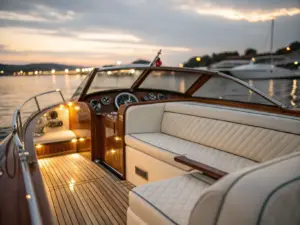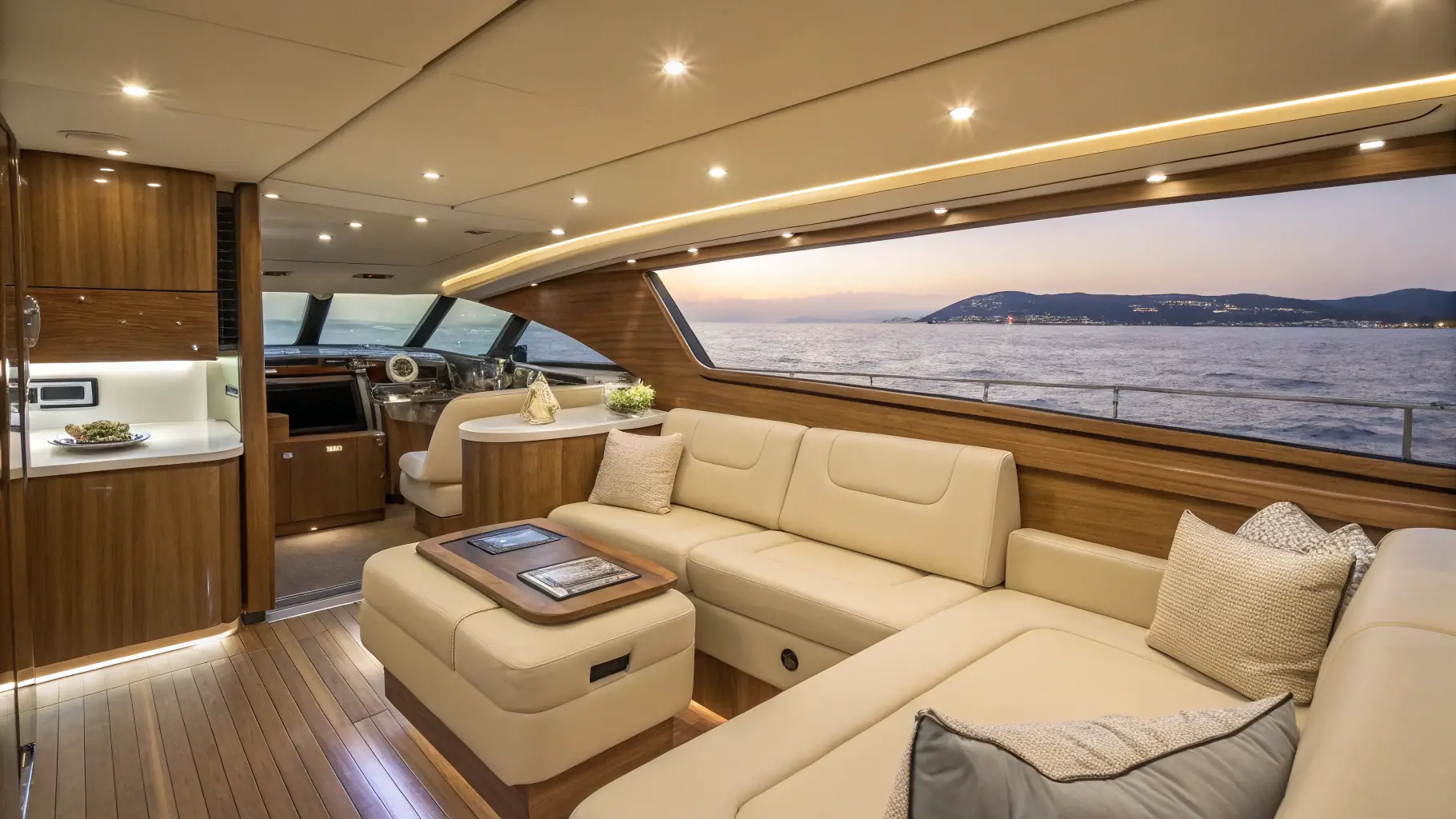
There comes a point when boating stops being a weekend hobby and starts to look like a serious way of living. For many people, that shift happens when they step aboard a widebeam. The extra width changes everything, not just the floor plan but the feeling of the place. Instead of squeezing past every cupboard and corner, you get a boat with room for a proper sofa, a dining table that stays up, and a galley that does not feel like a corridor.
That helps explain why widebeams have such a loyal following among liveaboards and long-term cruisers on broader waterways. They suit people who want the pace of canal life without quite so many compromises indoors. If you have ever idly browsed widebeam boats for sale, chances are you were not just looking at a vessel. You were imagining a different domestic routine altogether.
More space, but a different kind of planning
More room brings its own practical questions. A widebeam is not simply a narrowboat with extra inches. Mooring options can be more limited, some cruising routes are off the table, and heating, maintenance and licence costs need proper thought. The appeal lies in the balance. You gain a more home-like interior, but you need to be realistic about where and how you will use it.
- Best for: people prioritising living space over maximum route flexibility
- Worth checking: beam width, mooring availability and insulation quality
- Often overlooked: storage for fuel, laundry and everyday clutter
In that sense, widebeams say something about British boating culture in 2026. They sit between aspiration and practicality, offering a version of life afloat that feels less makeshift and more settled. Not everyone wants one, and not every waterway suits them, but for the right buyer the appeal is easy to grasp: enough space to breathe, without giving up the quiet pull of the cut.
Featured image credit: AI generated.