There is something ordinary about a day’s fishing. A flask, a folding chair, a battered net in the boot, and the quiet hope that this time the water might be kind. It is often seen as one of the simpler outdoor hobbies, especially beside pursuits that need expensive kit, travel or specialist training. Yet anyone who fishes regularly knows it can get complicated.
Modern anglers carry far more than a rod and a tin of bait. Bixqte alarms, shelters, reels, seat boxes, luggage and clothing soon add up, and that is before travel, permits and memberships. For coarse, carp and match anglers in particular, the kit laid out on the bank can be valuable enough to make a passer-by stop and stare.
That is partly why conversations about fishing insurance have become more common. Not because fishing has lost its easy-going charm, but because theft from vehicles, accidental damage and the cost of replacing specialist equipment are harder to shrug off. It is one of those unglamorous subjects that only seems to matter when something goes wrong, which usually means it matters quite a lot.
The quiet cost of a “cheap” hobby
Fishing still can be affordable, but the idea that it is always a low-cost pastime feels dated. A few items taken from a locked boot, or one clumsy moment on a crowded peg, can wipe out years of careful collecting.
- Rods and reels are usually built up over time, not bought all at once.
- Specialist luggage and electronics cost a lot to replace.
- Regular anglers travel often, which adds another layer of risk.
None of this needs to make the sport feel anxious or overcomplicated. If anything, it is a reminder that even peaceful hobbies involve practical concerns. Looking after kit properly is part of modern angling, and that includes thinking about what would happen if it suddenly wasn’t there.
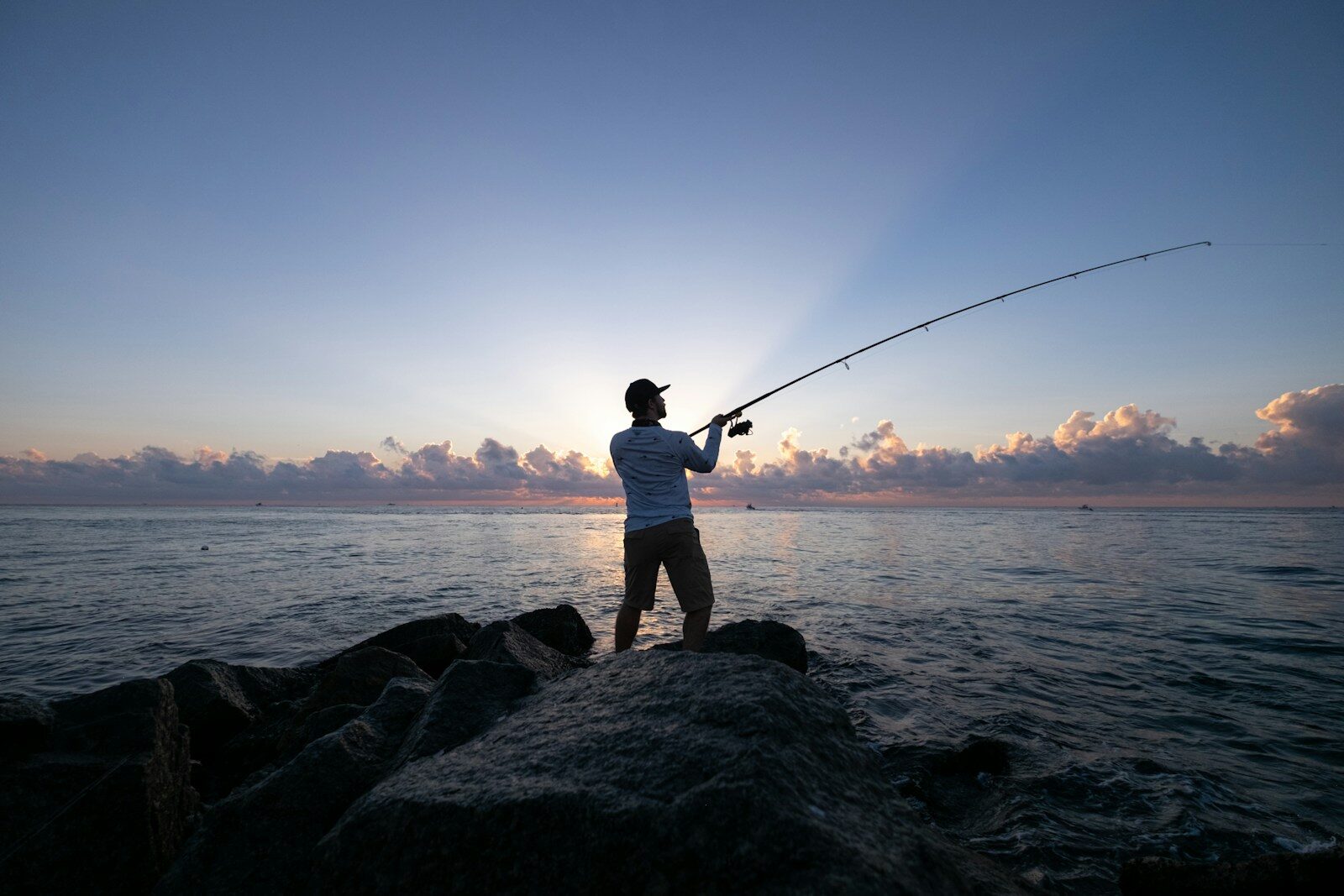
Photo by Ryan Arnst.