Some of the most rewarding moments on the water happen when nothing much appears to be happening at all. A kingfisher flashes across the canal ahead, a heron stands motionless beside the reeds, or a family of ducklings follows their parent along the bank. These encounters are one of the pleasures of exploring Britain’s waterways, particularly for boaters who enjoy nature as much as the journey itself.
Wildlife watching from a boat offers a different experience from walking along a towpath. You can cover more ground, explore less accessible stretches of water and observe habitats from a new angle. However, getting the most out of these encounters means understanding the environment and learning how to enjoy it responsibly.
Why Waterways Attract Such Varied Wildlife
Canals, rivers and lakes provide a mixture of habitats that support a surprising range of species. Reeds offer shelter for nesting birds, overhanging branches provide resting places, and submerged plants create habitats for fish and aquatic invertebrates.
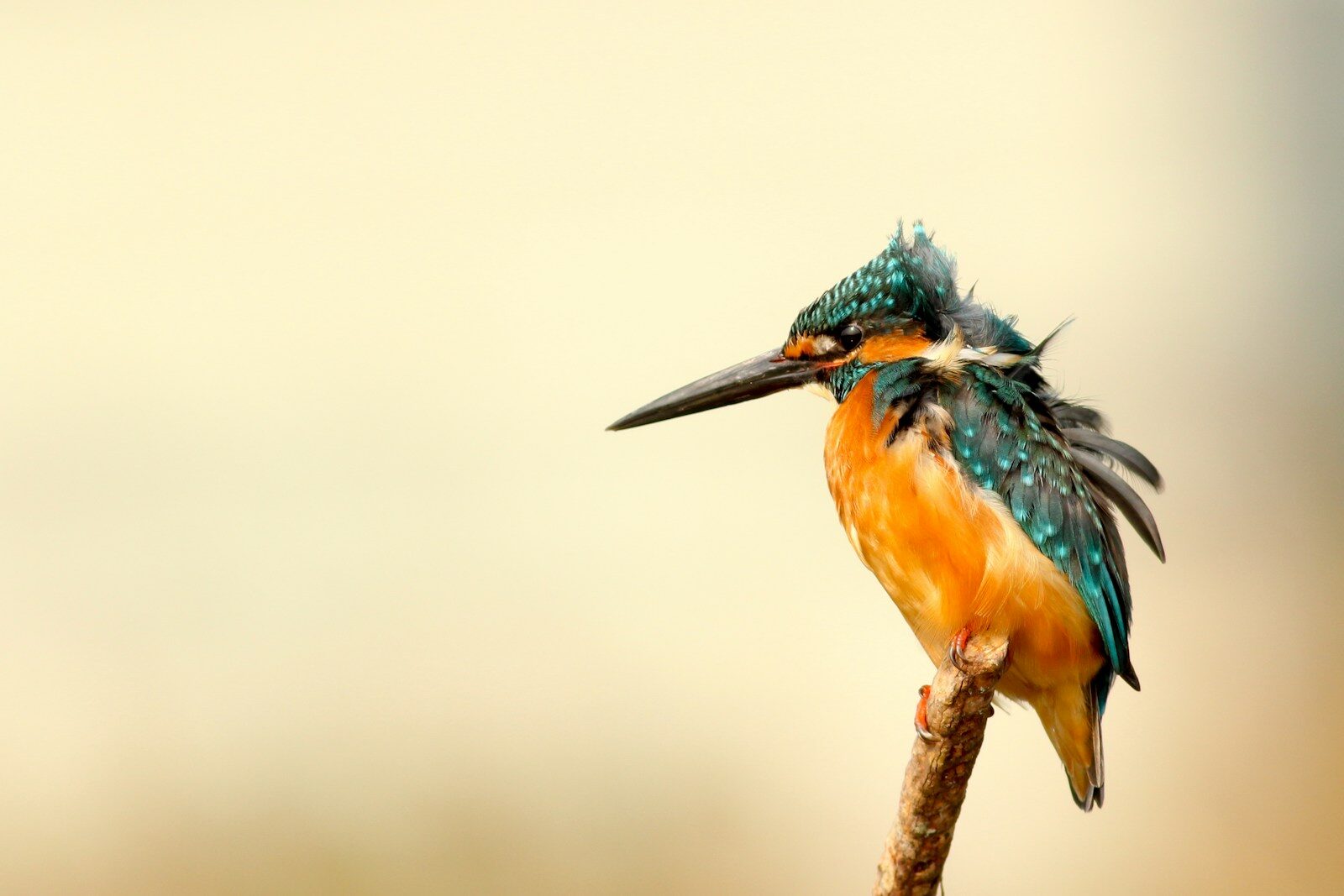
The banks can be just as interesting as the water itself. Moorhens and coots are frequently seen moving through marginal vegetation, while dragonflies hunt insects above the surface during warmer months. Kingfishers favour suitable stretches where they can perch and dive for small fish, although sightings are never guaranteed.
Different waterways also attract different species. A rural canal bordered by hedgerows may offer opportunities to spot woodland birds, while a river flowing through open countryside could provide views of swans, geese and birds of prey.
Seasonal changes make repeat visits worthwhile. Spring brings nesting activity and young birds, summer offers abundant insect life, autumn can reveal migrating species, and winter may provide opportunities to see waterbirds gathered in areas that remain relatively sheltered.
Choosing a Boat for Nature Watching
If wildlife observation is one of your main reasons for spending time on the water, think about how the boat will support that interest.
An open deck can provide an excellent vantage point, while a comfortable seating area makes it easier to remain still and observe what’s happening around you. On a larger vessel, a sheltered position can be particularly useful when the weather changes.
Visibility matters, too. Consider whether the boat’s layout allows you to see the banks and water clearly without constantly changing position. Excessive noise or vibration may make it harder to enjoy the natural surroundings, so pay attention to how the boat feels when travelling at low speeds.
Storage can also be useful. Binoculars, a field guide, a notebook and a camera all benefit from having a designated place where they can be reached easily without cluttering the deck.
Ultimately, the most suitable boat will depend on the waterways you intend to visit, the number of people aboard and whether you prefer short excursions or longer trips with overnight stops.
How to Approach Wildlife Responsibly
The temptation to get closer for a better photograph can be strong, but disturbing wildlife may cause more harm than you realise. Birds can abandon feeding areas or become stressed if boats repeatedly approach too closely, particularly during the breeding season.
A few straightforward habits can help you enjoy sightings without interfering with the animals.
- Reduce speed near wildlife: Follow local speed limits and navigation rules, and avoid creating unnecessary wash near banks, nests and other sensitive habitats.
- Keep a respectful distance: Use binoculars rather than steering closer when an animal is difficult to see.
- Avoid nesting areas: Take particular care around reed beds and stretches where birds may be breeding.
- Keep noise down: Lower music and avoid shouting when wildlife is nearby.
- Never feed wild animals: Human food can be unsuitable for wildlife and may encourage animals to become dependent on regular feeding.
- Take rubbish home: Fishing line, plastic packaging and discarded food can create hazards for birds and other animals.
It’s also worth checking local guidance before visiting protected waterways or nature reserves, where specific restrictions may apply.
Getting Better Wildlife Photographs from the Water
You don’t need expensive equipment to capture memorable encounters, although a little preparation helps. A camera with a zoom lens or a phone with a good optical zoom can be useful, particularly when animals are some distance away.
The biggest advantage often comes from patience rather than equipment. Instead of chasing a bird along the bank, find a suitable place to pause where mooring is permitted and wait to see what appears.
Early mornings can be particularly rewarding, with less boat traffic and more bird activity in many locations. Overcast conditions may also help with photography by reducing harsh shadows, while calm water can produce attractive reflections.
Try to observe behaviour as well as taking pictures. Watching a heron hunt or a moorhen navigate a patch of reeds can be more interesting than collecting a series of distant photographs. If an animal appears agitated or changes its behaviour because of your presence, give it more space.
Planning a Wildlife-Focused Boating Trip
A successful wildlife trip doesn’t need a rigid itinerary, but a little research can help you choose a promising route. Local wildlife trusts, nature reserve websites and canal organisations can provide information about habitats, seasonal sightings and areas where access may be restricted.
Allow plenty of time for stops rather than trying to cover the greatest possible distance. A shorter journey with opportunities to observe the surroundings may be far more satisfying than a long day spent concentrating on navigation.
Remember that wildlife sightings are unpredictable. Weather, water levels, seasonal movements and human activity all influence which animals you might encounter. Treat any sightings as a bonus rather than an expectation.
A Different Way to Enjoy Time on the Water
For many boaters, the appeal of a journey lies in what happens between destinations. Wildlife watching encourages you to slow down, notice the changing landscape and appreciate the ecosystems that make Britain’s waterways so distinctive.
With a suitable boat, a pair of binoculars and a willingness to be patient, even a familiar stretch of canal can reveal something new.
Photo by Boris Smokrovic.