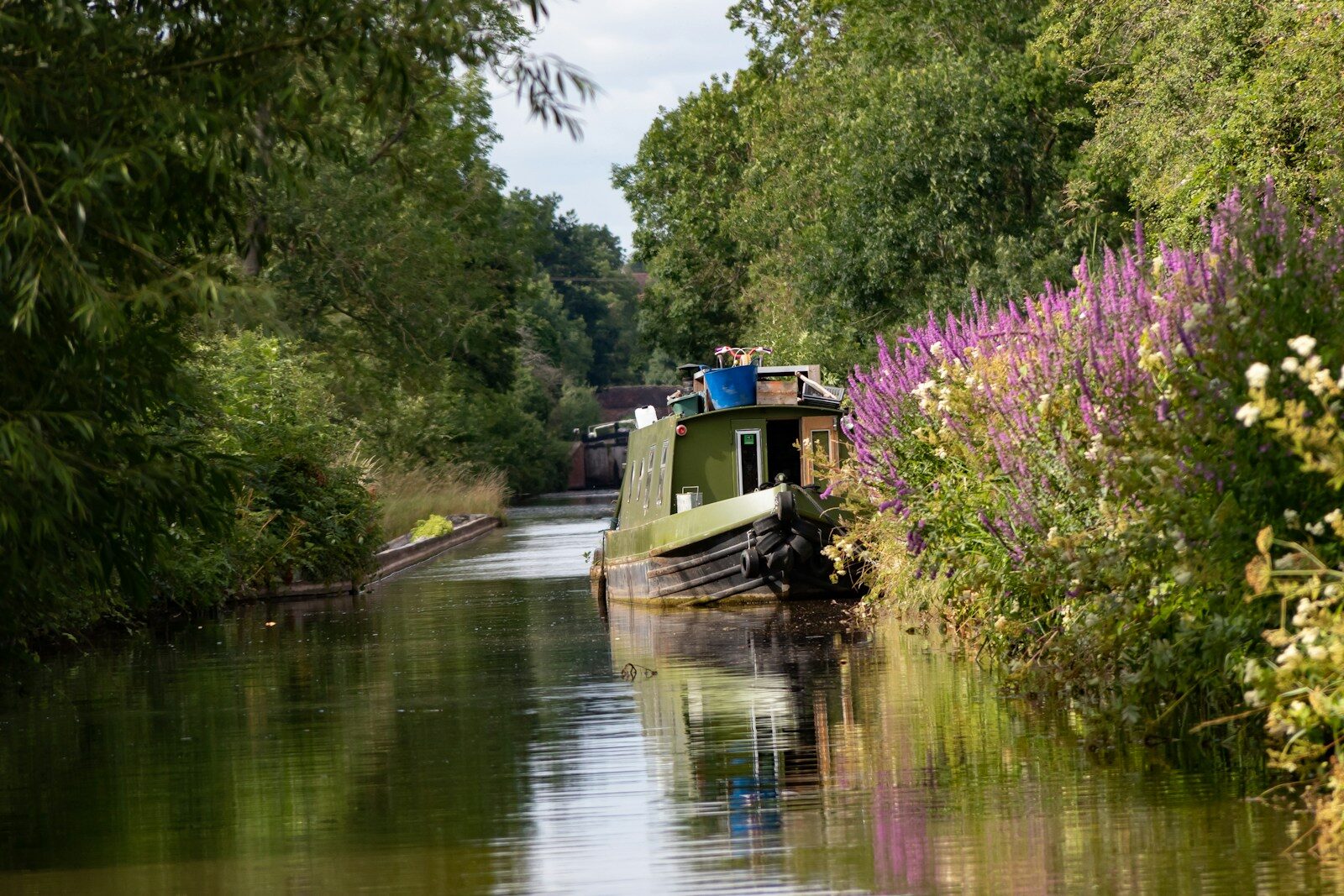
Exploring Britain’s canals by boat offers a completely different perspective on the countryside, from historic stone bridges and industrial waterways to quiet villages that are difficult to appreciate from the road. However, if you’re considering buying a boat for canal cruising, it’s worth thinking carefully about where you want to travel. A vessel that works beautifully on a broad, open waterway may be less practical on narrower stretches of canal.
For anyone considering a boat for sale, understanding the relationship between boat dimensions, handling and the waterways you plan to explore can make a real difference to your experience.
Why Boat Width and Length Matter on the Canals
British canals vary considerably in width, depth and the space available for manoeuvring. Some were originally constructed to accommodate narrowboats, while others can handle wider craft. This affects everything from the routes you can navigate to how confidently you can pass other boats.
Before choosing a vessel, consider:
- Beam: This is the boat’s width at its widest point. A narrower beam can make it easier to navigate restricted waterways, but you should always check the dimensions of locks and bridges along your intended route.
- Length: Longer boats can offer more living space, but they may be harder to turn around in confined areas and could be unsuitable for certain winding holes or shorter lock chambers.
- Draught: The depth of the boat below the waterline affects access to shallower canals, particularly during dry periods when water levels can fall.
- Air draught: The height above the waterline matters when passing beneath low bridges, especially if the boat has a raised cabin, roof fittings or other permanent structures.
These measurements are not simply technical details on a specification sheet. They determine where you can go and how much planning each journey requires.
Handling a Boat in Confined Waterways
Steering through a narrow canal requires a different approach from cruising across an open lake. Space is limited, other boats may be approaching around bends, and the banks can be close enough to make manoeuvring feel unfamiliar to inexperienced boaters.
A boat that responds predictably to the controls can make these situations considerably less stressful. It’s worth learning how the vessel handles at low speeds, how much room it needs to turn and how it responds when moving in reverse.
If you’re new to boating, arrange a demonstration or practical training session before committing to a purchase. Getting a feel for the controls in realistic conditions is often more useful than relying entirely on specifications.
It’s also sensible to think about where you’ll moor. Some boats are easier to bring alongside a towpath than others, and the positioning of cleats, handrails and access points can affect how straightforward mooring becomes.
Making the Most of Limited Space
One reason canal boats appeal to so many people is that they combine transport and accommodation. However, interior space needs to be considered alongside external dimensions.
A compact boat can still feel comfortable if its layout makes good use of every available area. Look at how the galley, sleeping arrangements, storage and seating fit together. If you plan to spend several days aboard, check whether there’s enough room to move around without constantly rearranging belongings.
Think about your typical trips, too. Weekend cruising may require little more than practical sleeping arrangements and somewhere to prepare simple meals. Longer journeys could make a separate dining area, additional storage and a more substantial galley much more valuable.
The right balance depends on whether you see boating primarily as a way to explore or as an opportunity to spend extended periods away from home.
Match Your Boat to Your Preferred Routes
It’s easy to become attracted to a particular boat because of its appearance or interior, only to discover later that its dimensions restrict the places you hoped to visit.
Before making a decision, identify your preferred waterways and check their navigation requirements. Consider bridge clearances, lock dimensions, depth restrictions and any local navigation notices that could affect access. Conditions can change, so published dimensions should be treated as a starting point rather than a guarantee of passage.
You should also factor in maintenance, mooring costs, fuel consumption and the availability of suitable facilities along your chosen routes.
A little preparation at the buying stage can save considerable inconvenience later.
Finding a Boat That Suits Your Plans
The best canal boat isn’t necessarily the biggest, newest or most luxurious. It’s the one that fits the waterways you want to explore, the people you’ll be travelling with and the way you intend to use it.
By looking beyond appearance and concentrating on practical considerations such as dimensions, handling and accommodation, you can make a more informed choice and enjoy greater freedom once you’re on the water.
Whether you’re planning occasional weekend escapes or longer canal adventures, Sailaway Boat Company can be part of your journey towards finding a vessel that suits your boating ambitions.
Photo by Jason Polychronopulos.